

Born in Brooklyn, she later married a German count, turning what seemed like a fairy-tale life into reality. But was it really so magical? Discover the story of Countess Mary Knowlton von Franken-Sierstorpff on brooklynka.
Life in Brooklyn
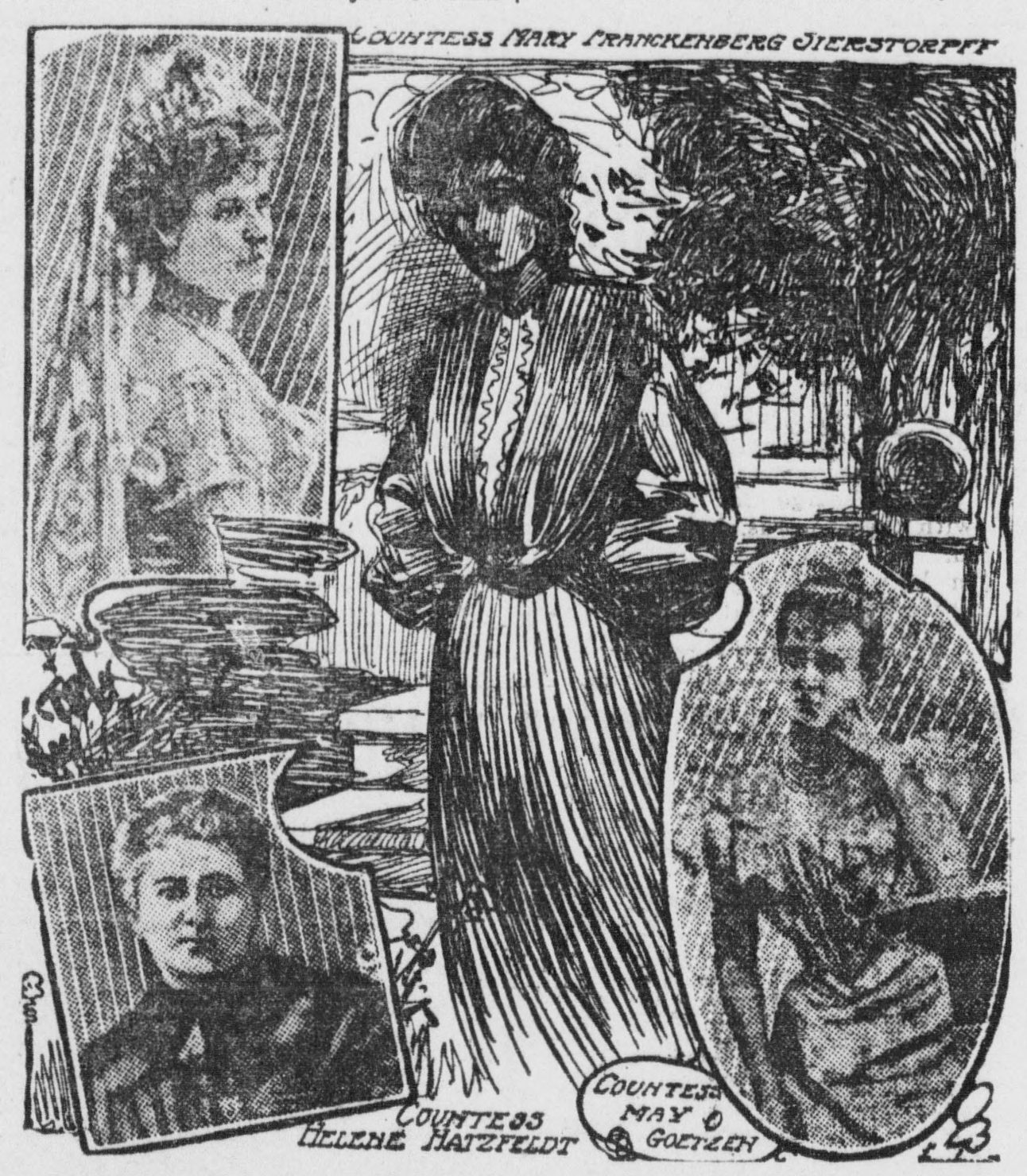
Mary was born in 1870 as the only child in her family. Her father, Edwin Franklin Knowlton, was in the straw goods manufacturing business, continuing the legacy of her grandfather, William Knowlton, a Massachusetts senator and founder of the Knowlton Hat Factory.
Despite his wealth and social status, Mary’s father suffered from neuralgia and tragically took his own life on October 25, 1898, by shooting himself in the head at his sister’s home. Local newspapers later reported that he had struggled with severe pain and illness.
The Knowlton family lived at 201 Columbia Heights, Brooklyn, a house once occupied by Seth Low, the former mayor of Brooklyn (1881–1885).
Mary received her education at the Female Seminary, now known as Miss Porter’s School. This prestigious private preparatory school for girls, founded in 1843 in Farmington, Connecticut, was designed to prepare young women for college.
Mary Knowlton: A Prominent Socialite
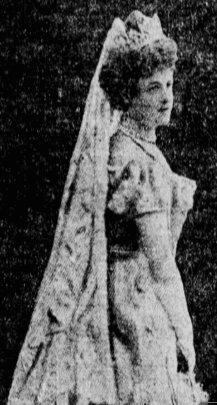
Mary Carpenter Knowlton was a member of the Colonial Dames of America (CDA) due to her ancestry. This exclusive American organization accepted only women descended from individuals who lived in British North America between 1607 and 1775. One of Mary’s notable ancestors was Colonel William Ward, a militia officer in Massachusetts.
In February 1892, the unmarried Miss Knowlton was included in “The Four Hundred”, a list of New York’s elite socialites during the Gilded Age, curated by Caroline Schermerhorn Astor (“Mrs. Astor”). Being included in this exclusive list, published in The New York Times, was a mark of high social standing.
Even after her marriage, Mary retained her place in New York’s high society.
Marriage to a German Count
In 1890, Mary Knowlton met her future husband in Newport, Rhode Island. Two years later, she married Count Johannes von Franken-Sierstorpff, a man 12 years her senior. The Brooklyn socialite officially became a countess.
So, who was Count Johannes von Franken-Sierstorpff?
He studied at the University of Bern, a prestigious Swiss research institution, often referred to as the “Prussian Oxford.”
At the time of their marriage, Mary’s fortune was valued at $750,000, making her a highly desirable match.
Life in a Palace
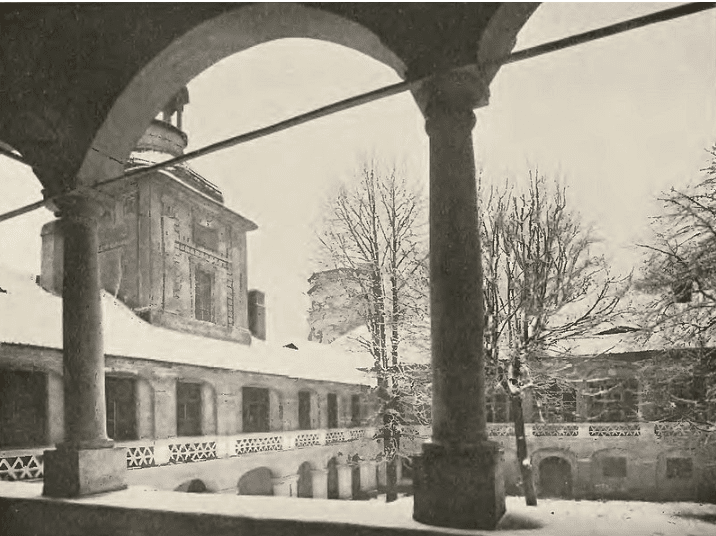
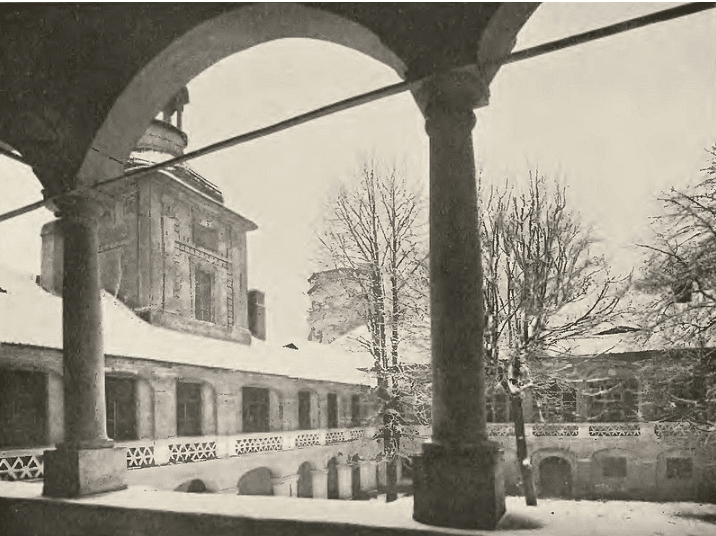
The couple resided in Żyrowa Palace, located in Silesia, a historical region of Central Europe. Most of Silesia is now part of Poland, with small sections in Germany and the Czech Republic.
The count and countess hosted grand receptions, welcoming prominent guests.
In 1911, they entertained Kaiser Wilhelm II, the last German Emperor and King of Prussia (reigning from 1888 to 1918), as well as Minister Carl Große-Tauer, a respected lawyer and businessman.
In 1914, another distinguished guest was Ambassador James Watson Gerard III, a U.S. diplomat and Supreme Court judge in New York.
The Couple’s Children
Mary and Johannes had two sons, both of whom left unique legacies.
- Count Edwin von Franken-Sierstorpff became a member of the Imperial Hussar Regiment. Sadly, he died in 1915 in France during World War I.
- Count Hans von Franken-Sierstorpff married Princess Elisabeth of Hohenlohe-Eringen, a member of a German princely dynasty that once ruled territories within the Holy Roman Empire.
However, Hans’s marriage ended in scandal. He fled Germany, leaving behind his wife, who was rumored to have “Nazi sympathies.” He also abandoned his grown children.
In 1942, Hans married Clotilde Knapp after obtaining a proxy divorce from his first wife. This event was widely covered in European newspapers.
A Cinderella-Like Love Story?
Who was Clotilde Knapp, the woman who captured Count Hans’s heart?
She came from a modest Californian family and became a successful real estate broker. She was also deeply involved in charity work, organizing events for New York institutions, including:
- The Boys’ Athletic League
- The Association for the Aid of Mentally Challenged Children
- The Goddard House
Clotilde’s story resembles a fairy tale—a woman from a simple background who married a German count.
However, not all fairy tales have happy endings.
She lost her fortune in a prolonged legal battle with Count Hans’s children from his first marriage, who contested their father’s estate immediately after his death in 1944.
Sadly, Hans died shortly after the couple had purchased an estate on Long Island.
Death and Legacy
Countess Mary passed away in Berlin at the age of 59.
Her son inherited a substantial income from a $1,200,000 trust fund, originally created by Mary’s father.
And so ended the story of a Brooklyn-born socialite, whose life took her from high society in New York to European aristocracy, filled with wealth, prestige, and eventual tragedy.
Source:
- https://www.nytimes.com/2004/10/09/obituaries/clotilde-k-saltzman-excountess-dies-at-96.html
- https://www.brownstoner.com/architecture/building-of-the-day-87-remsen-street/
- https://slowdusk.magd.ox.ac.uk/people/edwin-graf-viktor-guido-friedrich-wilhelm-heinrich-kaspar-johannes-maria-von-francken-sierstorpff-devotionsritter-des-souveranen-malteser-ritter-ordens/