

Once, on the corner of St. Johns and Bedford Avenue in Brooklyn, there has been built a medieval fortification that piqued the interest of everyone passing by. We are talking about the monastery of Carmelite nuns, which you can learn more about at brooklynka.
History of the monastery
It is known that this monastery was founded in 1907 by six young nuns who had previously served at another monastery in Port Tabacco, Maryland. It was there that the country’s first monastery was founded in 1790. As a result, the monastery in Brooklyn inherited a calm steely determination and commitment to the past.
Initially, the Monastery of Our Lady of Mount Carmel and St. Joseph was housed in an old house. It was called the McCann Mansion. The area was largely populated by Irish and Italian Catholics.
This building was replaced by a three-story monastery with a bell tower and a steeple, which was built in the 1920s by Helen Morton. The woman was the daughter of Levi P. Morton, New York’s governor and vice president during President Benjamin Harrison’s administration. Helen’s sister, Alice, was dying, but before her death, she had a vision of St. Theresa. In it, Teresa asked Alice if she would build her monastery. So Miss Morton paid for it.
It was a magnificent monastery, with a stained-glass dome over the chapel. However, all of its beauty and former greatness have been altered by time.
Mysteries
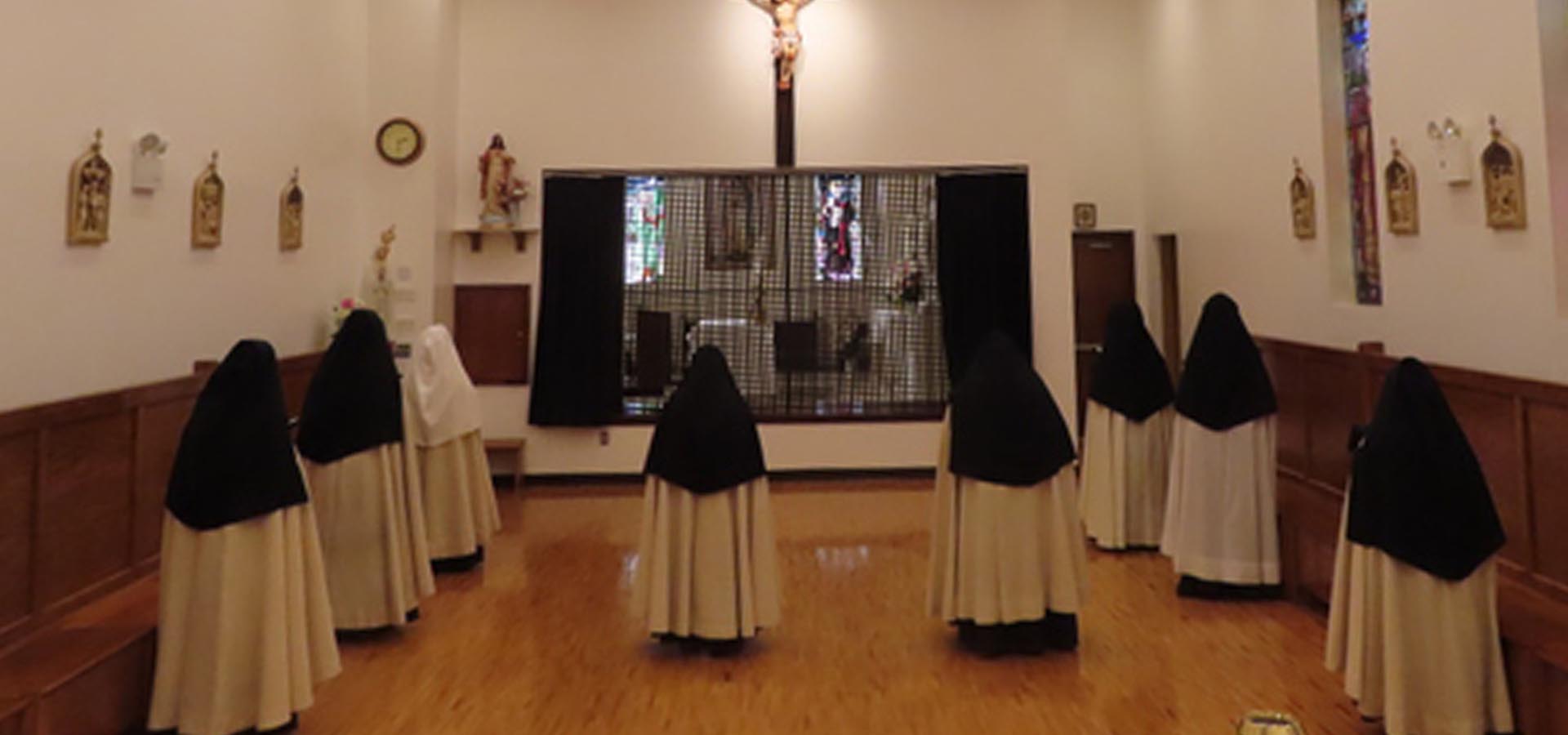
A digitized 1996 article by The Times stated that it was known who resided at the monastery and their exact schedule, yet there was still an atmosphere of mystery. The monastery had a priest who sent sisters to mass at daybreak. Parishioners arrived, bringing fish and fruit and occasionally communicating.
The explanation for this mystery was that Brooklyn nuns lived in utter isolation, as they had in the early 16th century. When compared to other monastic orders, this was one of the few that still practiced such an ancient method. It’s hard to believe that the nuns who lived in the monastery for decades didn’t see the townspeople.
According to the Times piece, it’s surprising that even the priest Monsignor Guy J. Puglisi, who visited the Brooklyn nuns six mornings a week, didn’t know how many there were or how old they were.
Communication with the nuns was accomplished via a turn, which was a barrel-shaped wooden cabinet that rotated. Interestingly, it was used to deliver goods to monasteries throughout the Middle Ages, but this practice was discontinued in the 1960s as a result of Vatican reforms.
Brooklyn is a unique area
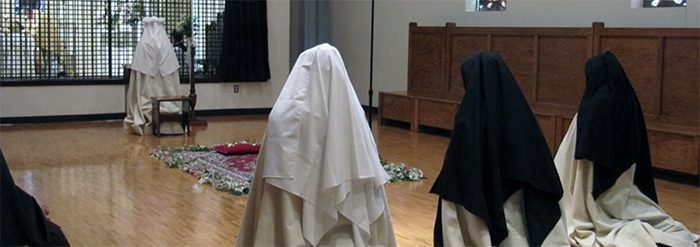
Sister Constance FitzGerald, a Baltimore-based Carmelite who was knowledgeable about the order’s history, said Brooklyn was special because it allowed one to immerse oneself in the past. To accomplish this, you could simply enter the turn room. The process went as follows:
- parishioners write prayers in advance or bring groceries
- then they pass through the gate, the entrance hall and enter a small living room
- parishioners place prayers or groceries (or both) in a polished oak barrel half-submerged in brick
- the barrel rotates, allowing the nun on the other side to collect the items.
A brief conversation could occasionally start here, however, it was swiftly cut short as the inscription above the turn stated:
«In the House of God, talk of Him or do not talk of anything.»
At a time when nuns were becoming more engaged in changing their own image and preconceptions, Brooklyn nuns continued to isolate themselves from the outside world. They believed that this was the only way to be dedicated to a single mission: prayer.
It’s worth noting that the townspeople were frightened of this place. The children were afraid to throw the ball against the wall, so they played as far away as possible.
The life of nuns
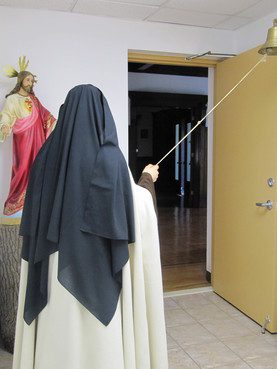
For example, earlier, at 5:00 a.m., clapping sounds were heard to wake up the sisters for prayer. The choir read the praises at 5:30, and the sisters were scheduled to serve the morning portion of the mass. They believed that by following this daily ritual, the day would become holy.
The nuns received communion at 6:30 and then spent the remainder of the day in nearly complete silence. This was true in 1996, but modern nuns pray until 8:15, recite the Holy Rosary, offer the Holy Sacrifice of the Mass and give praise, and only then do they have a light breakfast.
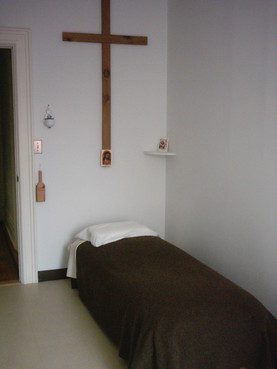
Their regular activities included responding to letters and doing chores. They prayed either alone in their cells (rooms) or collectively. They were allowed one hour of break, from 13:00 to 14:00 and 19:30 to 20:30. At 22:30, the sisters returned to their cells and, after receiving the night blessing, reclined in the Most Sacred Heart of Jesus.
According to their vows, they couldn’t ask for anything, thus they did not receive any help from the Brooklyn-Queens Diocese. Brooklyn nuns relied solely on the charitable contributions of former and present parishioners from neighboring churches.
The sisters continue to wear thick brown wool clothing and sandals. Their predecessors did the same, beginning in 1907.
Nuns in many other monasteries created internet pages and purchased automobiles to attend conferences, but the Brooklyn nuns did not, as they even did not have a radio or television at the time. Even during the Pope’s visits, nuns did not leave the monastery. One possible exception could be emergency medical care.
After the nuns died, they were buried in a crypt beneath the altar or on the ground, which was overgrown with maples and sycamores.
Relocation of Carmelite nuns
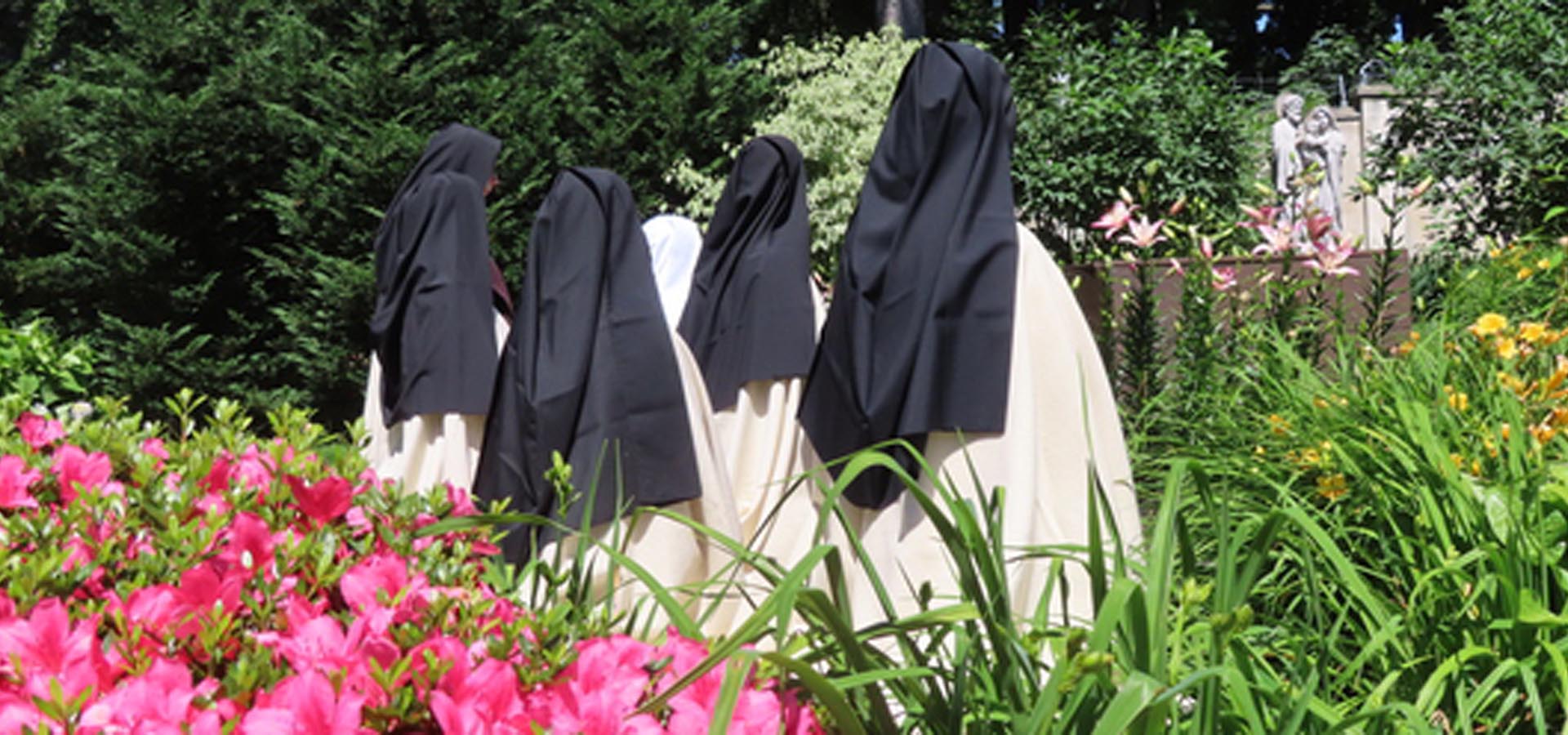
In 2021, an article was published about the relocation of the Carmelites from Brooklyn. The nuns noted that the Highland Park night parties, which were next door to them, interfered with their prayer activities. On weekends, this area became a nightlife hotspot for teenagers and young people, as a result of which criminal activity (fights) occurred and people drank alcohol and listened to loud music. All of this led the Carmelites to make the decision to relocate. They expressed their desire to build a monastery on a 13-acre donated land in the Diocese of Scranton, Pennsylvania.
Another factor driving the relocation was the activity of Santeria practitioners. They were known for performing rituals, including the sacrifice of animals like chickens. Outside the monastery walls, there were animal bones, as well as improvised altars and statues. They were sure that there was spiritual power within and around the monastery. However, the nuns considered it evil.
Even though Bishop DiMarzio was disappointed by the Carmelite nuns’ departure, he respected their wishes. Indeed, the monastery’s surroundings did not provide the privacy they needed.
New community
The Carmelite community in Pennsylvania intends to raise a new generation of monastic sisters. The features of the new monastery were mentioned on the Monastery of Our Lady of Mount Carmel and St. Joseph’s website.
- The project is designed in the Spanish Carmelite style, similar to the architecture of Ávila.
- The monastery is designed of stone in a classical style.
- The monastery building will be able to accommodate 24 nuns, while the chapel will accommodate 148 visitors.
- The new monastery will be outfitted with equipment for baking wafers.
Many contemporary people wonder, “So, who are the Carmelites?” These are nun sisters who commit their entire lives to God, giving up their lives to prayer and repentance for the good of their church and its pastors, as well as the salvation of souls. For example, St. Elizabeth of the Trinity noted that Carmelites have nothing but God, and there is, at the same time, everything.
In the monastery, Carmelite nuns live in poverty, perform physical labor, pray and are nearly entirely reliant on alms for survival. They rely on God and are isolated from the outside world by loneliness, silence, hard labor, obedience and love for their sisters.