

Alice Austen made history as one of America’s first and most prolific female photographers, capturing over 8,000 images throughout her lifetime. Working primarily on Staten Island, she became renowned for her street photography and intimate portrayals of women’s lives and relationships during the Victorian era. Learn more about this pioneering photographer and her Brooklyn-born muse on brooklynka.
Who Was Alice Austen?
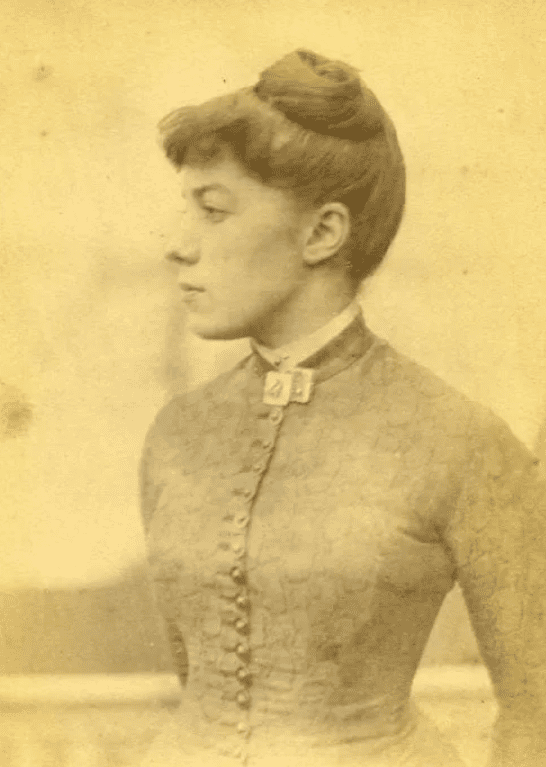
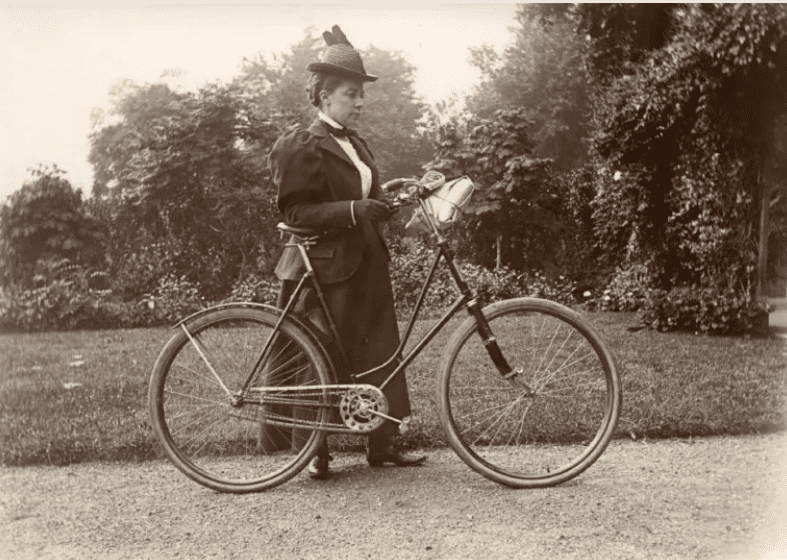
Alice Austen’s interests extended far beyond photography. She was also an athlete, a skilled banjo player, and the founder of the Staten Island Garden Club. She was the first woman in her neighborhood, Rosebank, New York, to own a car, and she actively participated in the Staten Island Bicycle Club. Austen was deeply engaged in community life, making her an exceptional figure for a woman of her time.
Born Elizabeth Alice Austen on March 17, 1866, she came from a wealthy family in Staten Island. When she was three years old, her father abandoned the family, forcing Alice and her mother to move into their family estate, Clear Comfort. She was raised by her maternal grandparents, an uncle, and an aunt with her husband.
Alice lost her mother at the age of 10, leaving her orphaned. That same year, her uncle Oswald, a naval captain, introduced her to photography. As a birthday present, he brought her a dry plate camera from England, which changed her life forever.
Alice Austen’s Photography Journey
Her uncle’s gift sparked Alice’s lifelong passion. She converted her closet into a darkroom, where she taught herself photography and perfected her technique.
It is believed that her uncle Peter, who was 14 years older than Alice, helped her set up her darkroom. A chemistry professor at Rutgers College, Peter was also an experienced amateur photographer and shared his knowledge with Alice.
By the time she was a teenager, Alice had already become one of America’s most successful photographers. She traveled extensively, capturing bold and striking images and fully dedicating herself to her art. At the time, few women were engaged in photography, especially outside of studio settings. Being a photographer in the late 19th century required both physical strength and delicate precision.
Alice Austen was instrumental in popularizing the term “street photography.” She did not receive payment for these images, and therefore considered herself an amateur rather than a professional.
Her lifestyle was unconventional for a woman of the time. She never married, never had children, and pursued a male-dominated profession. This made it difficult for her family and society to understand her, as she did not fit into the traditional expectations of women in the Victorian era.
Alice found inspiration in documenting life’s raw moments. She often observed the ferries crossing the East River, capturing immigrants arriving in New York Harbor, eager to start new lives. Her subjects included homeless individuals, child laborers, and people who defied traditional social classifications.
Love Found in Brooklyn
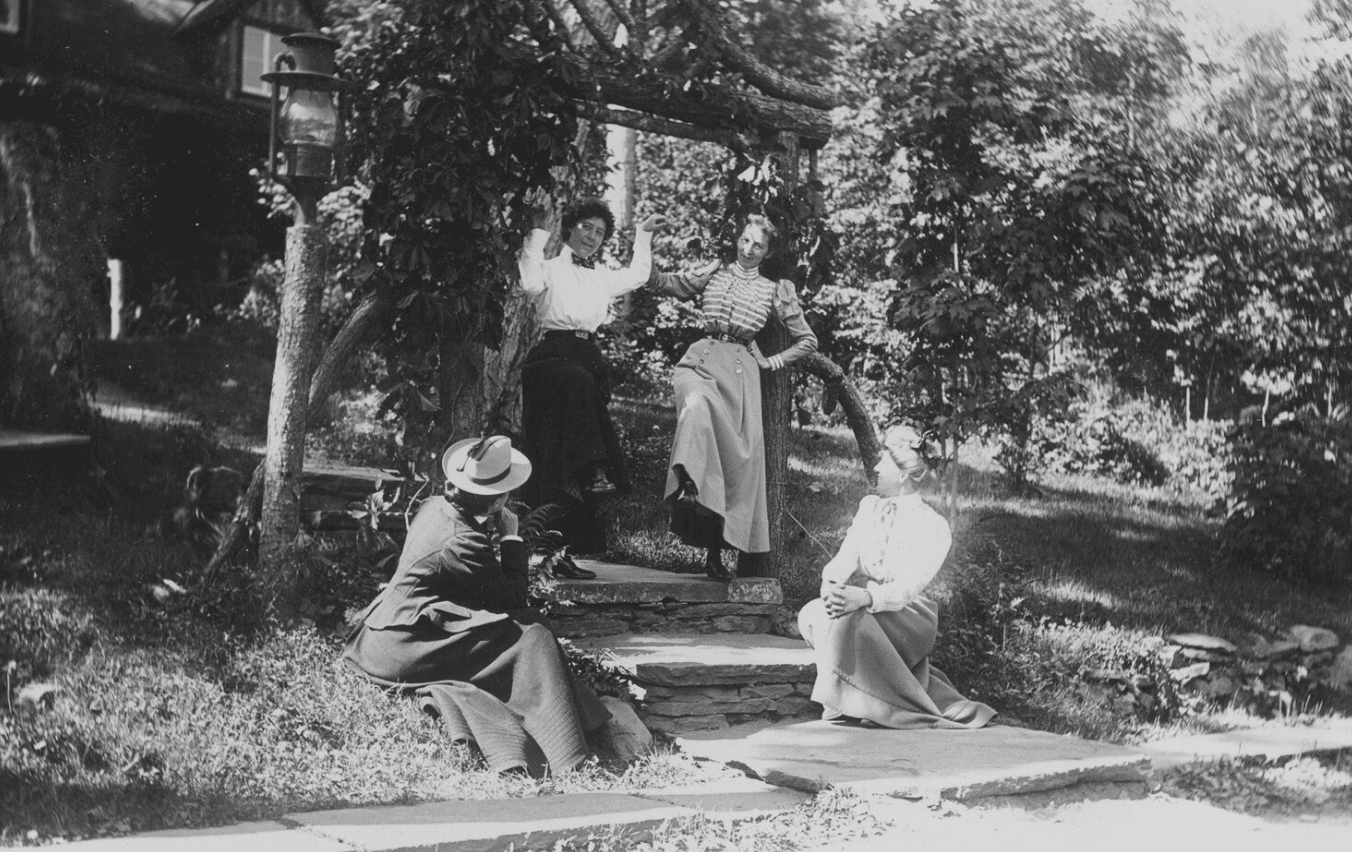
In the late 19th century, Alice Austen was vacationing in the Catskill Mountains when she met the love of her life—Gertrude Tate, an energetic dance teacher and kindergarten instructor from Brooklyn. Gertrude was six years younger than Alice and was known for wearing a wig over her short haircut.
Shortly after they met, Gertrude left Brooklyn temporarily to recover from typhoid fever. During that summer, the two women formed a romantic bond that lasted for the rest of their lives.
Alice and Gertrude often traveled together by car, accompanied by their close friend, Guy Loomis, a wealthy Brooklyn heir. The couple spent nearly every summer in Europe, with Alice packing film rolls for transcontinental journeys while leaving her fragile glass negatives at home.
Alice Austen’s photography equipment was neither simple nor light. She used a large wooden camera with a lens at the front and a glass plate holder at the back, which contained a silver-emulsified glass plate. She secured the camera on a tripod, ensuring sharp and precise images. Her camera, tripod, and negatives together weighed over 50 pounds.
In 1890, Alice purchased a camera from Scovill Manufacturing Co., which was similar in design to 4×5-inch cameras of the time.
Alice and Gertrude lived openly as a couple for nearly 50 years, a bold and uncommon choice for their era. This makes Alice Austen one of the earliest known LGBTQ+ figures in American history, standing as an icon for queer representation and resilience.
Many modern publications cite Alice Austen’s bravery, highlighting her role in LGBTQ+ history. Her love story with Gertrude serves as a powerful reminder of love, respect, and the importance of embracing differences.
Financial Hardship and Separation
The 1929 stock market crash devastated Alice financially. She lost all her savings during the Wall Street crash, followed by the economic collapse of the Great Depression. She and Gertrude tried to support themselves through photography and dance lessons, but in 1944, they were forced to sell Clear Comfort.
In 1945, Alice and Gertrude were evicted from their beloved home, where they had lived happily for three decades. They moved into an apartment on Staten Island, but as Alice’s arthritis worsened, caring for her became increasingly difficult.
The women were separated when both were sent to live with their respective families, who had never approved of their relationship. Gertrude was taken to Queens, where she continued teaching dance classes despite her old age. Alice, however, was sent to the Staten Island Farm Colony, a home for the destitute.
Rediscovery and Recognition
Alice’s fate changed when she caught the attention of Oliver Jensen, a former editor at LIFE magazine. In 1950, Jensen was writing The Revolt of American Women, a book about women’s history. While researching in the Staten Island Historical Society’s archives, he discovered over 3,500 of Alice’s glass negatives.
Jensen was impressed by her work and was astonished to learn that Alice Austen was still alive, living in poverty. He launched a fundraising campaign, using his connections to help Alice move into a proper nursing home.
Alice Austen’s First and Only Exhibition
Thanks to Oliver Jensen, Alice Austen received her first and only photography exhibition on October 7, 1951—a day that was later declared Alice Austen Day. On this extraordinary occasion, her lifelong love, Gertrude Tate, was by her side.
That day was one of the happiest moments of Alice’s life. Sadly, she suffered a stroke soon after, and by the following spring, she had passed away.
Gertrude lived until 1962, but her last wish—to be buried alongside Alice—was denied by her disapproving family. Instead, she was laid to rest in Cypress Hills Cemetery in Brooklyn.
Alice Austen’s Legacy
Alice Austen’s groundbreaking work lives on at the Alice Austen House, which serves as both a museum and a memorial. This historic site preserves her legacy as a pioneering photographer and LGBTQ+ trailblazer.
Her story is one of resilience, artistic vision, and unwavering love, proving that some people are born ahead of their time—but their impact lasts forever.